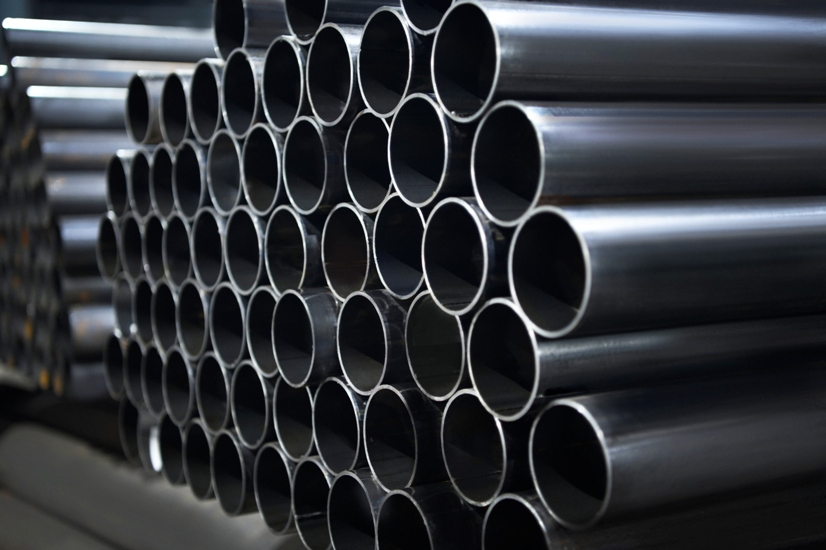
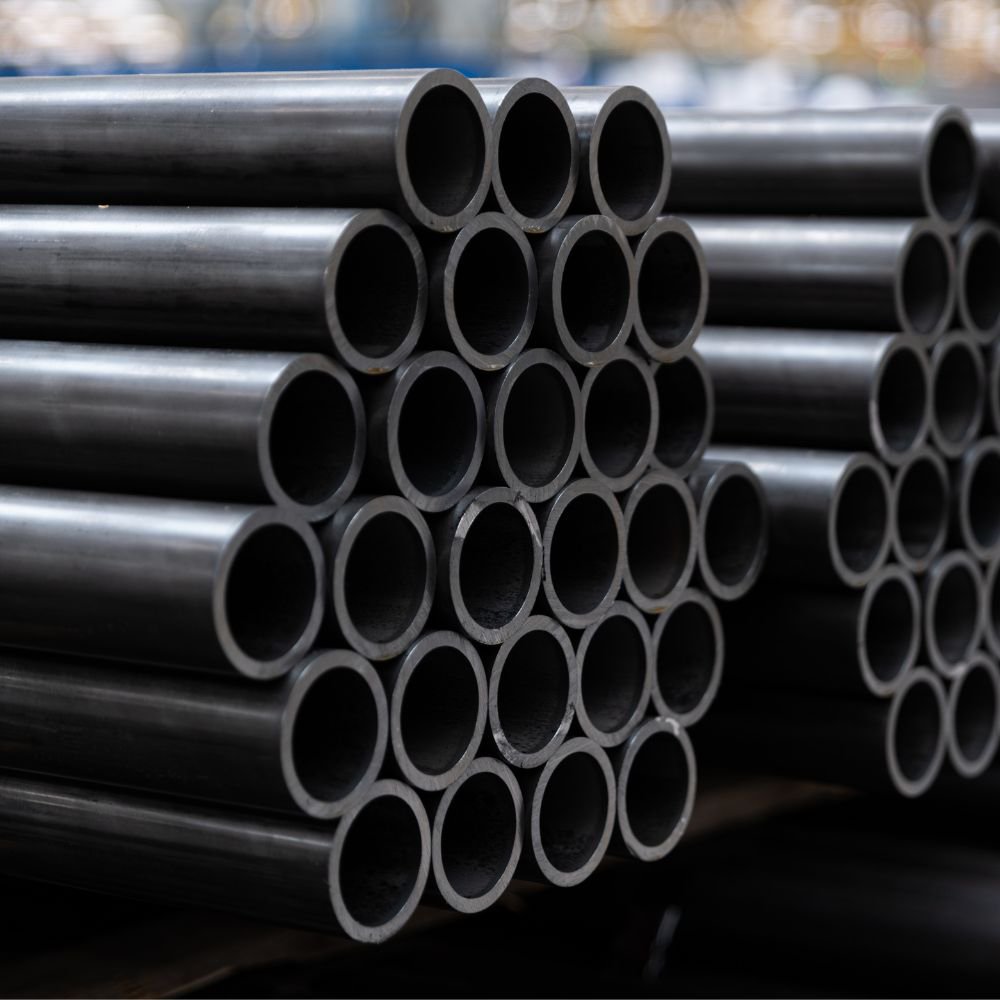
About MS ERW PIPE
What is MS ERW Pipe?
-
MS (Mild Steel): A low-carbon steel material known for its ductility, weldability, and affordability.
-
ERW (Electric Resistance Welded): A pipe manufacturing process where steel plates or strips are rolled and welded using electric resistance to form a longitudinal seam.
Applications
MS ERW pipes are widely used in:
Available Sizes
-
Outer Diameter (OD): Typically from 1/2" (15 mm) to 24" (610 mm)
-
Thickness: 1 mm to 12 mm or more
-
Length: Usually 6 meters, but can be customized
Key Features
Standards
Common manufacturing standards include:
-
IS 1239 (India)
-
ASTM A53 / A106
Precision Engineering and DurabilityManufactured to exceptional standards, these pipes undergo rigorous quality checks. The use of high-grade mild steel, carbon steel, or stainless steel ensures resilience against wear, corrosion, and extreme weather. Their robust construction supports reliable performance, making them suitable for demanding projects such as water supply, infrastructure, and industrial pipelines.
Socket Joint ConvenienceThe socket joint design simplifies installation, offering quick and leak-proof connectivity. This connection style is especially beneficial where rapid assembly and minimal maintenance are essential. The user-friendly construction reduces downtime and streamlines integration with existing systems.
FAQs of MS ERW PIPE:
Q: How are MS ERW pipes with socket joints typically installed?
A: MS ERW pipes with socket joints are installed by inserting one pipe end into anothers socket and securing itoften using welding or mechanical fittings. This setup provides a reliable and tight seal, suitable for both industrial and civil piping systems.
Q: What materials are available for these ERW pipes?
A: We offer these pipes in mild steel, carbon steel, and stainless steel grades. This variety allows you to select the ideal material based on your projects strength, durability, and corrosion-resistance requirements.
Q: When should I use a round pipe with a 200 mm outer diameter and 3 mm thickness?
A: Pipes of this specification are suitable for applications requiring high flow capacity and structural strength, such as water distribution, industrial conveyance, and construction. The 3 mm thickness provides enhanced durability while maintaining manageable weight.
Q: Where are these pipes commonly used in India?
A: These pipes are frequently used across India in sectors such as water supply, oil and gas, fire protection systems, and structural engineering. Their versatility and reliability make them a preferred choice for both urban and rural projects.
Q: What is the manufacturing process of these ERW pipes?
A: ERW (Electric Resistance Welded) pipes are produced by forming metal strips into a cylindrical shape and then welding the seam using electric resistance. Socket joints are crafted to ensure precision fitment and easy assembly on-site.
Q: How do these pipes benefit end-users?
A: The primary benefits include fast installation, strong and secure joints, resistance to pressure and corrosion, and compatibility with different piping systems. These features help in reducing maintenance costs and increasing operational efficiency.





 Send Inquiry

 Send Inquiry
 Send Inquiry